





skip to main content
Now available on iOS & Android.
Download on theApp StoreGet it onGoogle Play
inaam app features

get the app

Start investing in what matters. Available on iOS and Android.

$10/month. No lock-in. Cancel anytime.

hang on31 jul 2026

did money really just do that?

grocery costsclose to rent?

via thewest.com.au
what it means for you

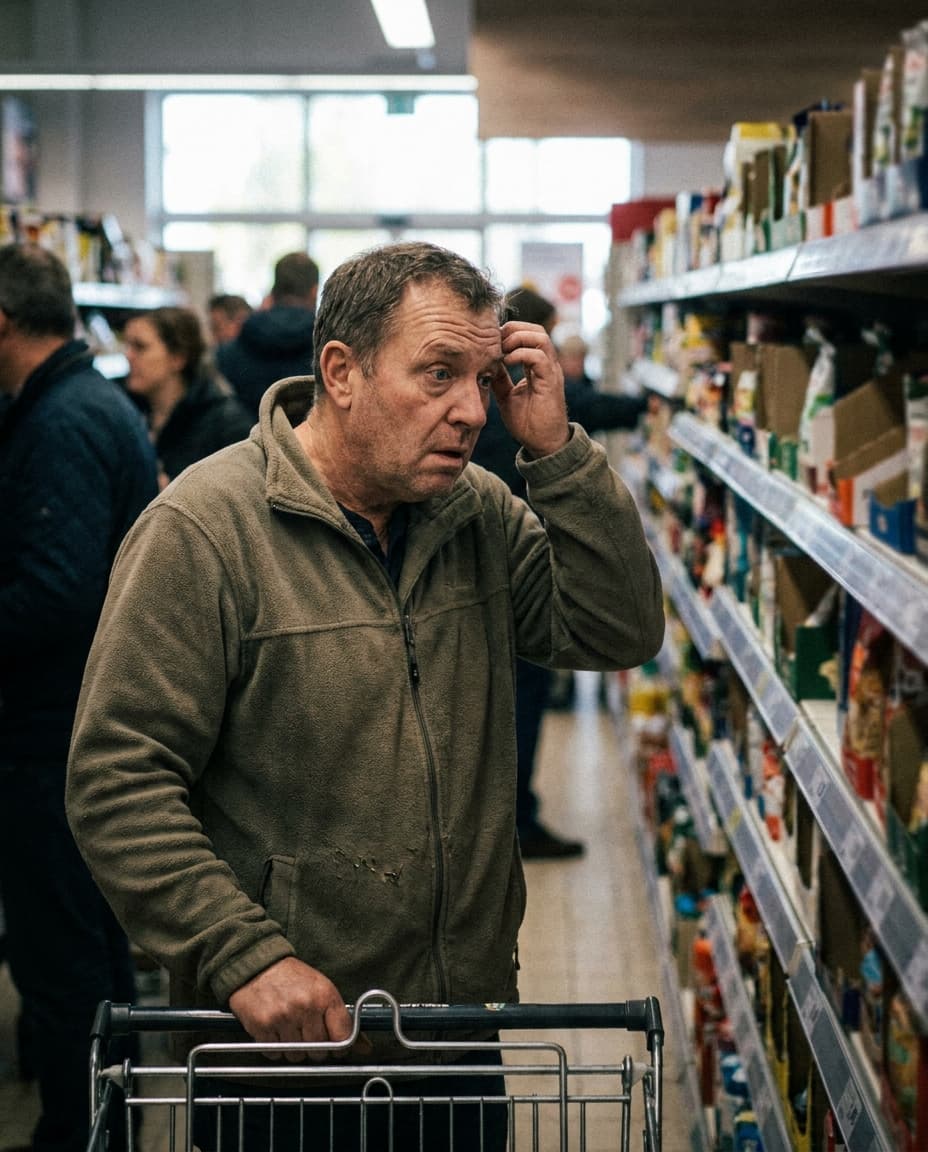
every trip to the shops could now cost an extra $180 per month.

tl;dr

new data reveals food prices have risen by a total of 3.3% this year, with staples like meat and milk leading the surge.

the full story

the latest numbers from the bureau of statistics show that almost every grocery category is getting more expensive. while we were hoping for a break, analysts say production costs and energy prices are keeping things high for the rest of the year. beef, lamb, and fruit are the biggest movers, making that weekly meal prep significantly more expensive than it was just a few months ago.

this comes even though new laws against price gouging kicked in on july 1. even if the big supermarkets play by the rules, weather risks and supply chain costs mean your disposable income is taking a direct hit. it is becoming a lot harder to find that spare cash to put away for your future when the basics are climbing this fast.


go deeper: how to shop sustainably in australia

subscriptionsare quietlycreeping up

via newsroom.ing.com.au
what it means for you

you're likely spending a fortune on services you never use

tl;dr

the average gen z's subscription spend sits at $178/month, as a whopping half of all aussies fork out for subscription services they rarely use.

the full story

even though many of us planned to slash our digital overheads this year, the average gen z is now spending more on subscriptions than any other generation. while we tell ourselves these streaming services are non-negotiable, the reality is that 'subscription fatigue' is setting in. nearly half of all aussies have cancelled at least one service lately because they simply forgot they were even signed up to it.

this gap between what we want to spend and what actually leaves our accounts is costing some people over $1,600 a year. it's a reminder of how quickly small, automatic payments can add up to a significant chunk of your monthly budget without you noticing.

go deeper: recurring contributions impact investing australia

the canadiansbuying into theaussie future

via financialnewswire.com.au
what it means for you

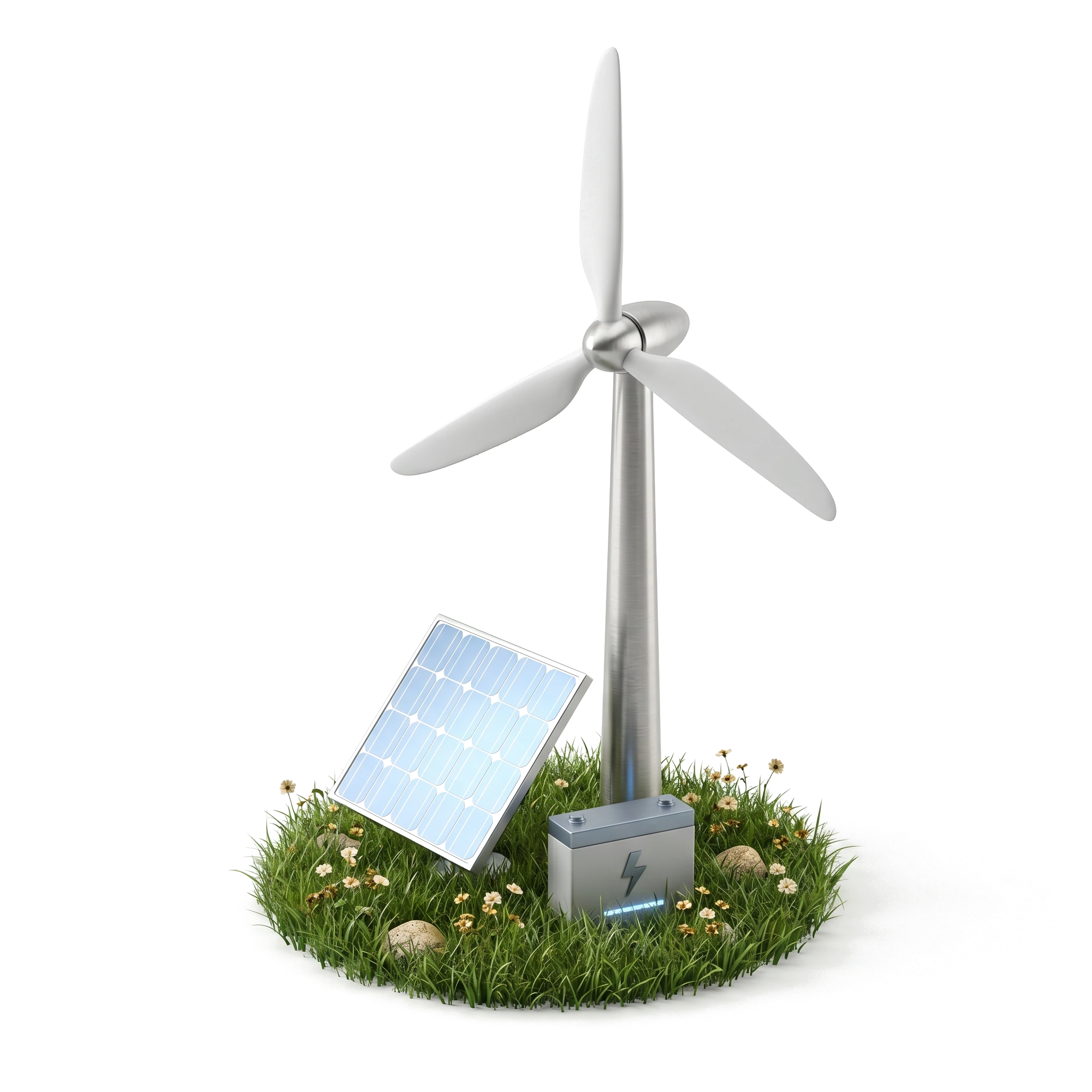
your super's missing out on owning a piece of australia's brand-new clean energy grid.

tl;dr

australia's top 30 super funds have invested a total of $771 million into local renewables since 2020, while canadian pension funds have bought into a whopping $1.2 billion worth.

the full story

while $99 billion has poured into australian wind, solar, and battery projects since 2020, our own super funds are barely touching it. despite holding $2.5 trillion of our collective savings, the 30 biggest funds have chipped in less than 1% of the total investment. only six major funds, including aware super and hesta, have made any direct moves at all.

this means the profits from australia's transition to clean energy are largely heading overseas to canada or staying with commercial banks. if your fund isn't at the table, your retirement savings aren't actually owning the infrastructure that will power the country by 2030.

go deeper: portfolio transparency impact investing australia

← today’s edition · all editions

hang on — 31 jul 2026 | inaam | inaam